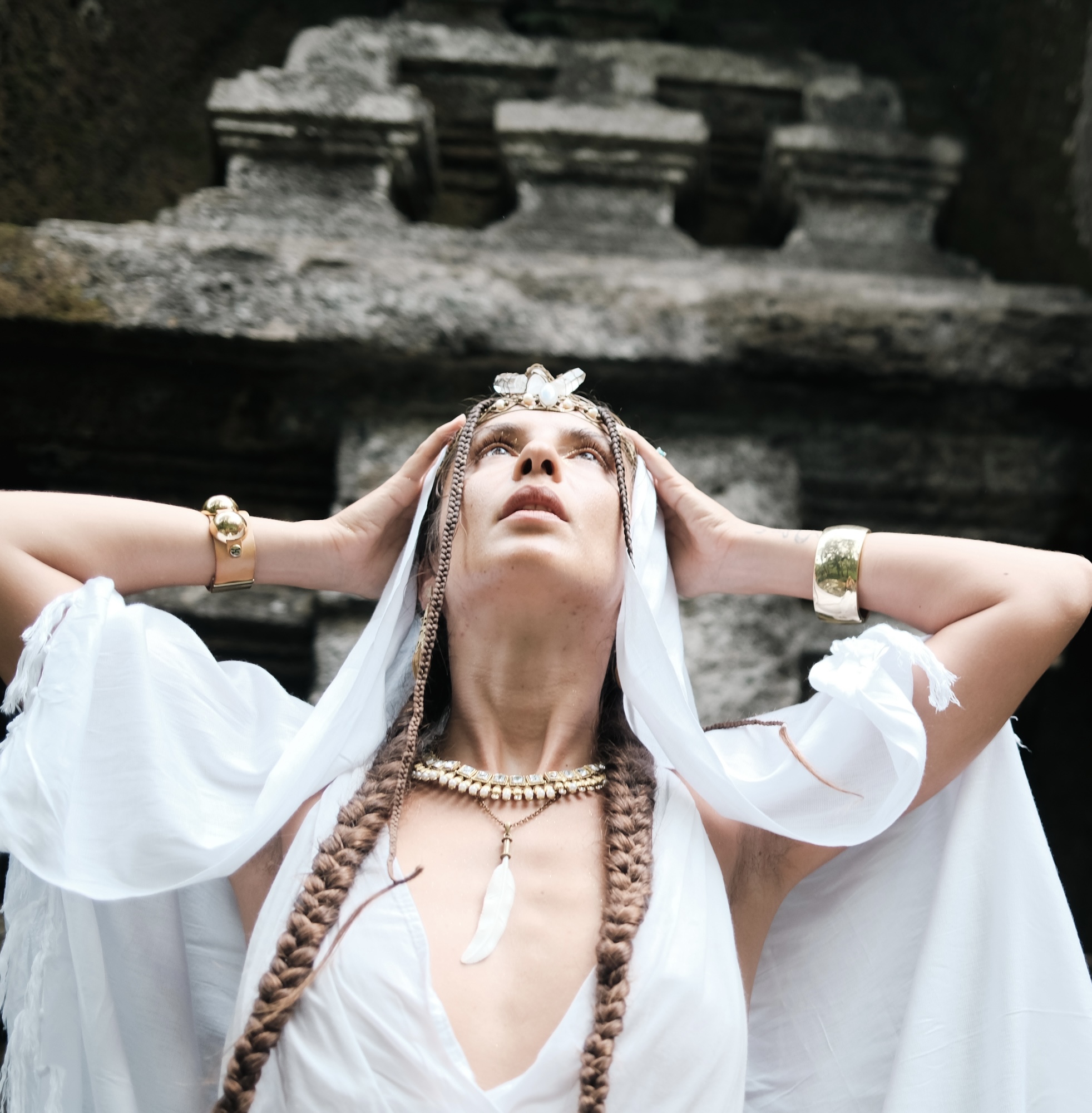
Wearing a crown opens
people up. It is an
antidote to shame.
The Crowning is a somatic, shamanic, feminine embodiment ceremony: the threshold of Sovereign Love. Each handmade crown holds a crystal directly over the third eye. As it lands, something activates inside. A holy marriage to yourself. A ceremony of remembrance.
Book Your Free Discovery Call →I was always a hopeless
believer in love.
I grew up in Romania, in a traditional family where love was real but conditional. Respect meant silence, and belonging meant compliance. My parents loved me deeply and did their best. And still, I was 14 years old with no friends, having learned to shrink myself to fit the shape of what was expected.
What saved me was nature. I spent long hours alone with flowers, petting bugs, speaking to animals. It made me highly attuned to something beneath the surface of things: a spiritual intelligence that no tradition could teach me and no authority could take away.
As I grew older and began to travel, through tantric communities, ancient temples, women's circles in Mexico, Guatemala, Peru, Costa Rica, Bali, Greece, Spain, Ibiza, Morocco, the UK and Canada, I started to see the same pattern everywhere. Women who had learned to abandon themselves in order to be loved. Women who confused devotion with disappearance. Women who had never once been crowned.
Through my own heartbreaks and healings, I began to map what I was witnessing. I needed to know: if I get out of a toxic pattern, where do I go next? Nobody could tell me. So I built the map myself. I had studied architecture, learned to see patterns, design for human needs, build structures that hold. I just couldn't stay in an office. I needed to take that lens out into the world. That eventually became The Spiral of Love™ and the crown ceremony I had been offering intuitively for years? I eventually understood it as the portal into Stage 7: Sovereign Love.
— Adina Nicola, Tantric Priestess · Love Architect · Founder of The Spiral of Love™
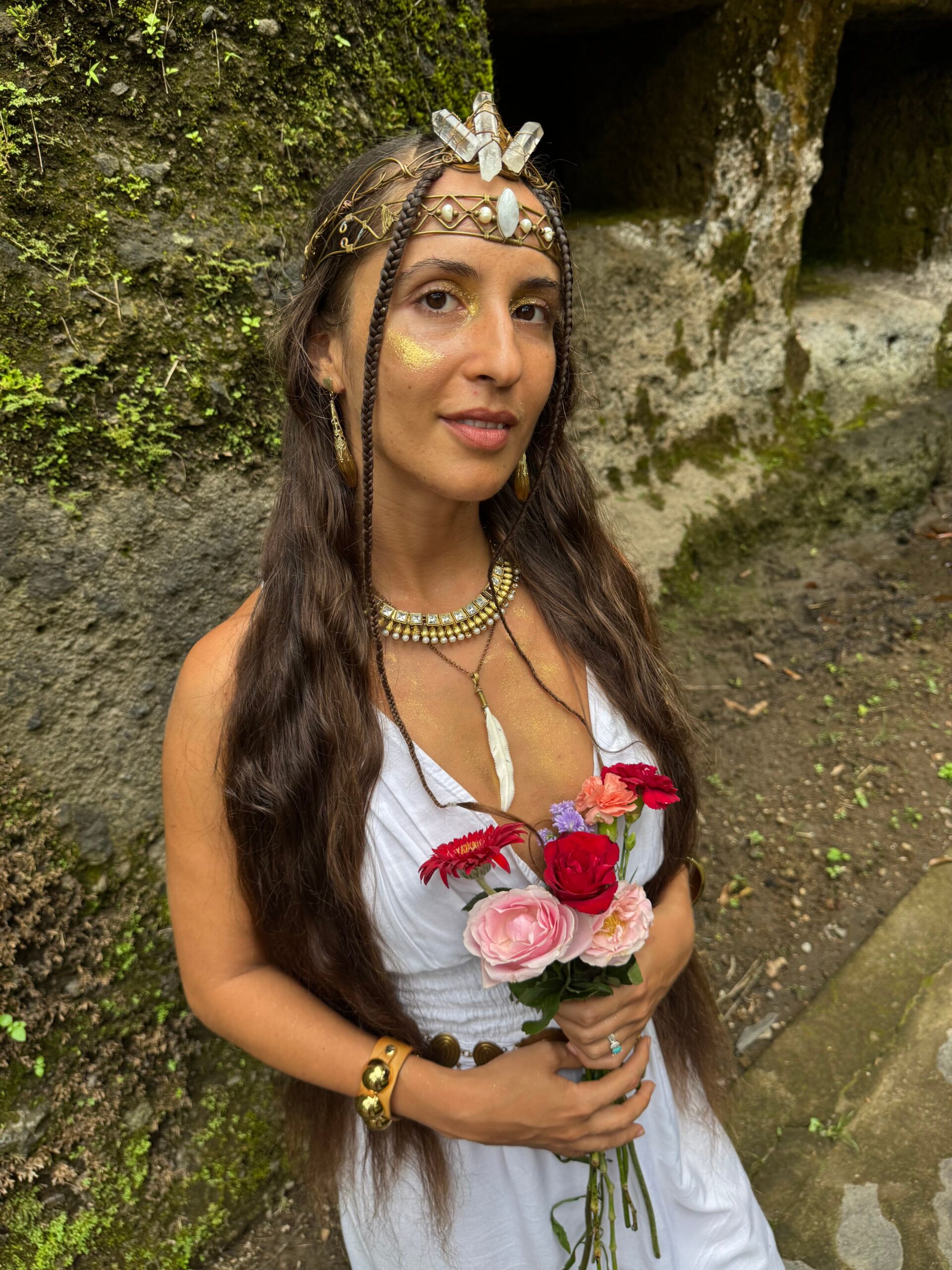
She is tired of being
chosen. She is ready
to choose herself.
You are tired of putting yourself second. In love, in friendships, in the mirror.
You are done with relationships where you shrink, perform, or disappear.
You feel the woman inside you who is ready to rise. You just haven't given her a throne yet.
You want to be seen, honoured, and deeply met. And you're ready to start with yourself.
You are drawn to ceremony, to depth, to the sacred. Not as escape, but as activation.
You are ready to stop waiting for someone to crown you.
Three thresholds.
One crown.
✦ Included with every ceremony: A complimentary Spiral of Love Diagnostic Session — a 60-minute online session where we map exactly where you are in your love evolution before we meet. (Value €97 — yours free when you book any ceremony)
The Mirror
A Self-Marriage Ritual
You have a crown. Now give it the ceremony it deserves. A live 1:1 online ritual where I guide you through a sacred self-marriage in your own mirror, in your own home.
You will receive a preparation guide beforehand: simple props to gather, a space to create. Your crown, a candle, a mirror, and yourself.
You speak your vow. I witness it. Something shifts.
✦ Spiral of Love Diagnostic (€97 value)
✦ The Crown Effect — digital guide (Practices, Rituals & Ceremonies)
Sovereign Awakening
A Queen Remembering
A 90 minute immersive ceremony. You are held in a fully somatic and shamanic space, guided to the felt sense of your own sovereignty.
The crown is worn during the ceremony. A profound standalone experience and natural gateway to the full ritual.
The ceremony can be held in solitude, just you and the ritual, or in the presence of those who love you most. You choose who witnesses your vow.
✦ 30-minute online integration session the following week
✦ Spiral of Love Diagnostic (€97 value)
✦ The Crown Effect — digital guide (Practices, Rituals & Ceremonies)
The Crowning
An Inner Marriage
Ceremony
A 2.5 hour sacred ritual. The full inner marriage, the conscious union of your inner masculine and feminine, crowned at the threshold of Sovereign Love.
The ceremony can be held in solitude, just you and the ritual, or in the presence of those who love you most. Just like a real marriage, you choose who witnesses your vow.
✦ Your unique, handcrafted crystal crown — yours to keep forever
✦ 30-minute online integration session the following week
✦ Spiral of Love Diagnostic (€97 value)
✦ The Crown Effect — printed & gifted with your crown (Practices, Rituals & Ceremonies)
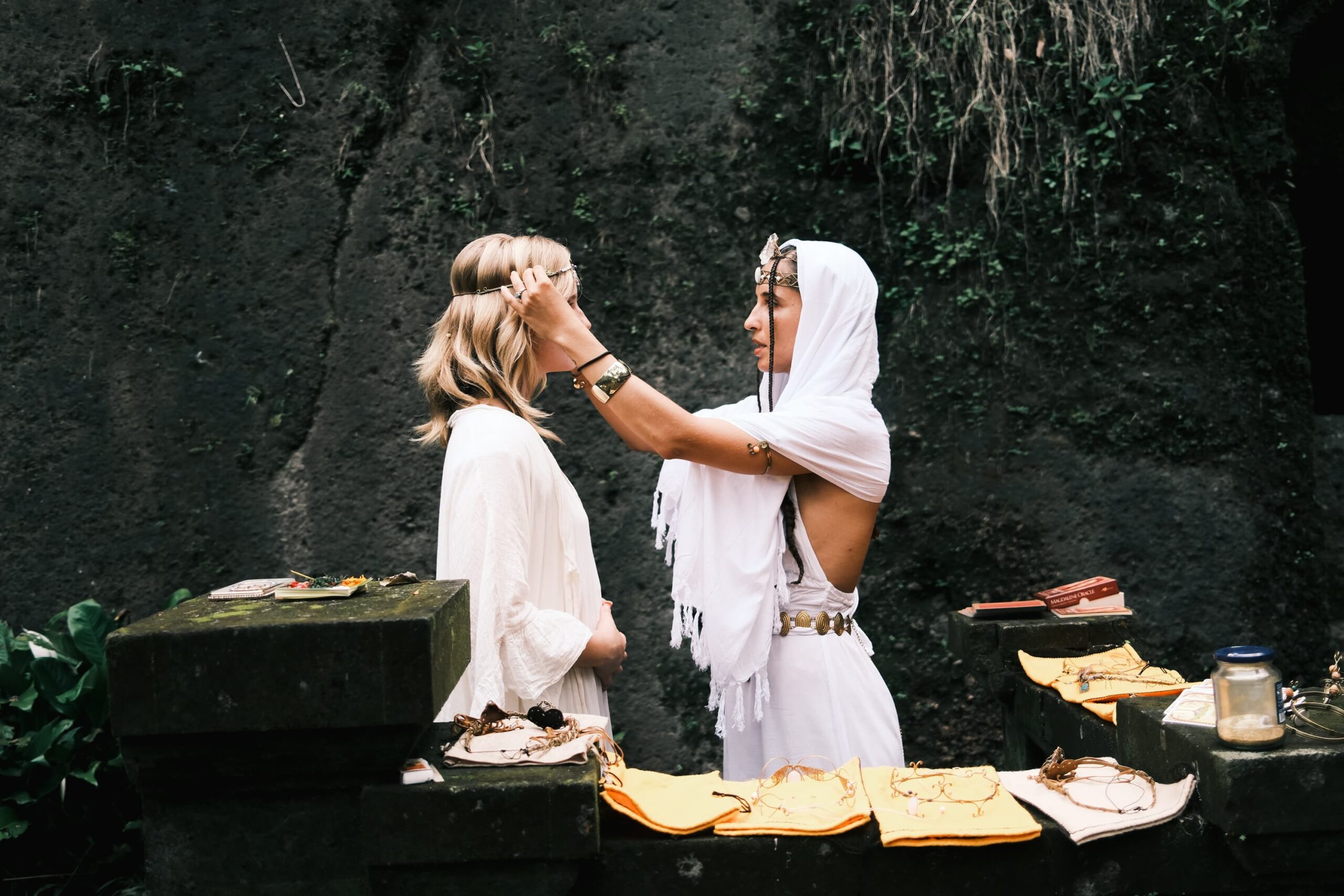
Your path to the ceremony
Book a Free
Discovery Call
A 30 minute conversation to meet, understand where you are, and feel whether this work is right for you. No pressure. No pitch.
Spiral of Love
Diagnostic — €97
A deep 60-minute online session. We map exactly where you are in your love evolution and what you need to reach Sovereign Love. Valuable on its own.
Enter the
Ceremony
In-person in Ibiza. You arrive. You are held. You are crowned. You leave different. The crown comes home with you.
Ibiza · May 5–13 · Limited spots
Once these dates pass, in-person ceremony will not be available again until the next tour. If you feel called — trust that feeling.
Book Your Free Discovery Call →They came to be crowned.
They left married to themselves.
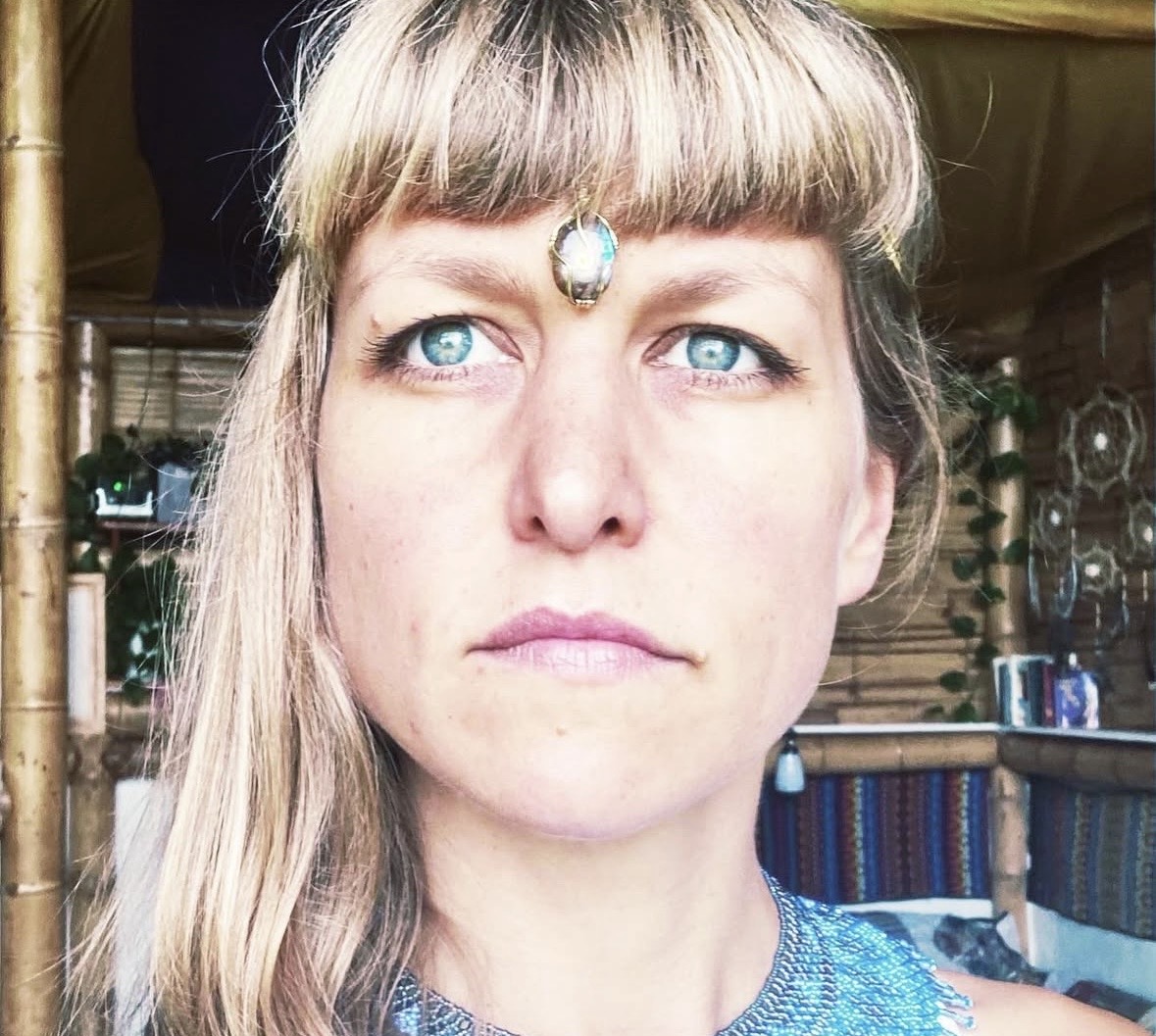
When you own the crown, you claim your worthiness. She starts to sing sweet inner melodies of graciousness, this holy marriage to yourself, underlined with deep appreciation and unconditional love. These are magical goddess activation devices.
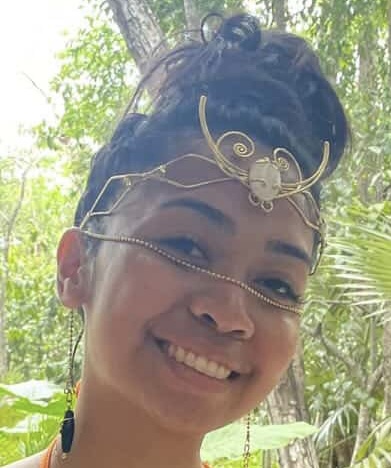
I got crowned in real life. This moment is what I manifested. To wear it means to dissolve all your shame surrounding your sovereignty. I am not a CEO or a Girl Boss. I am a Queen.
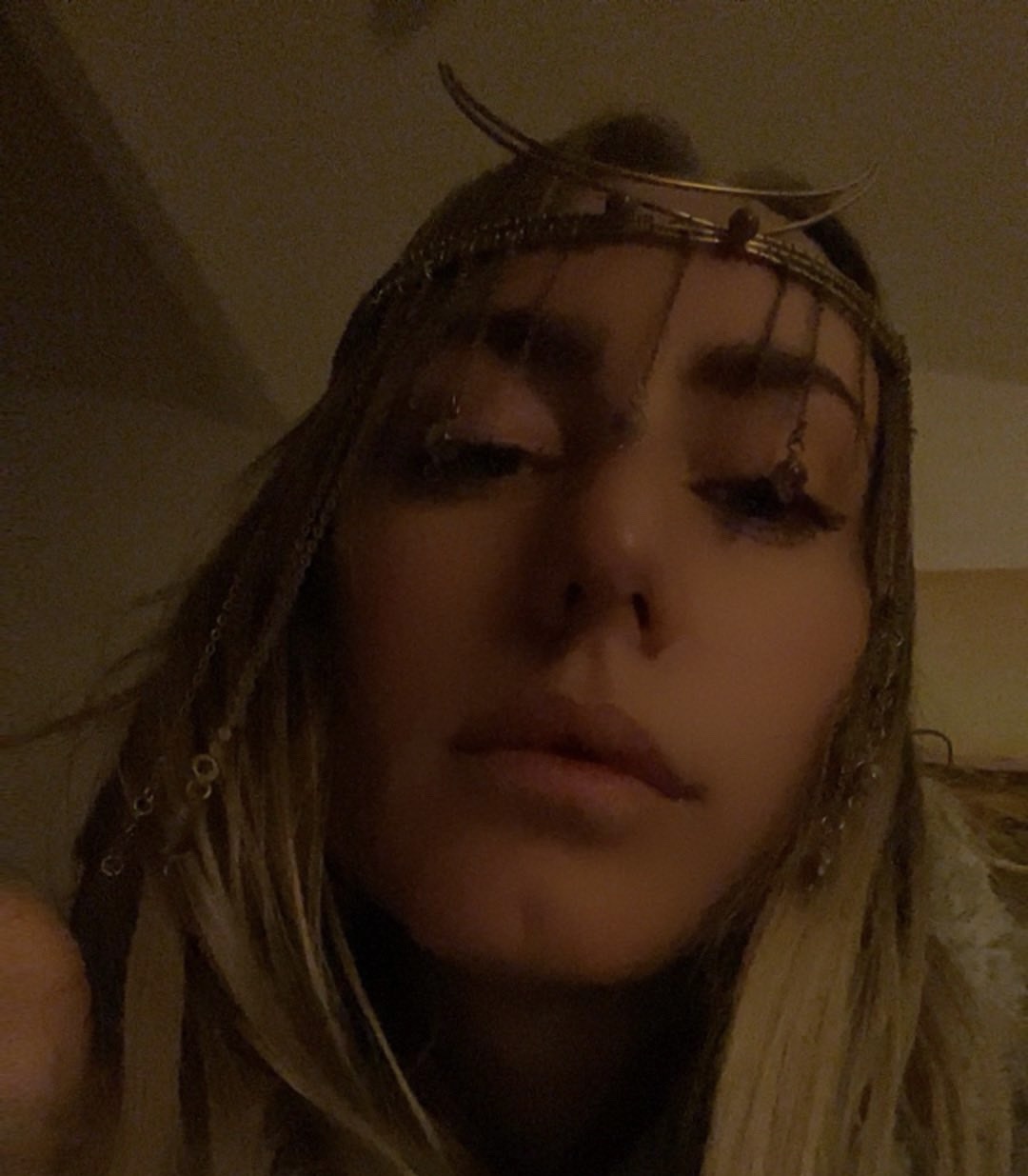
Yesterday while setting intentions using my crown, I said I would receive €5,000 this month. Today I got exactly that. I'm stunned and beyond grateful. This is insane.
Saying I do to myself.
Not just decoration.
Not a costume.
A sacred object.
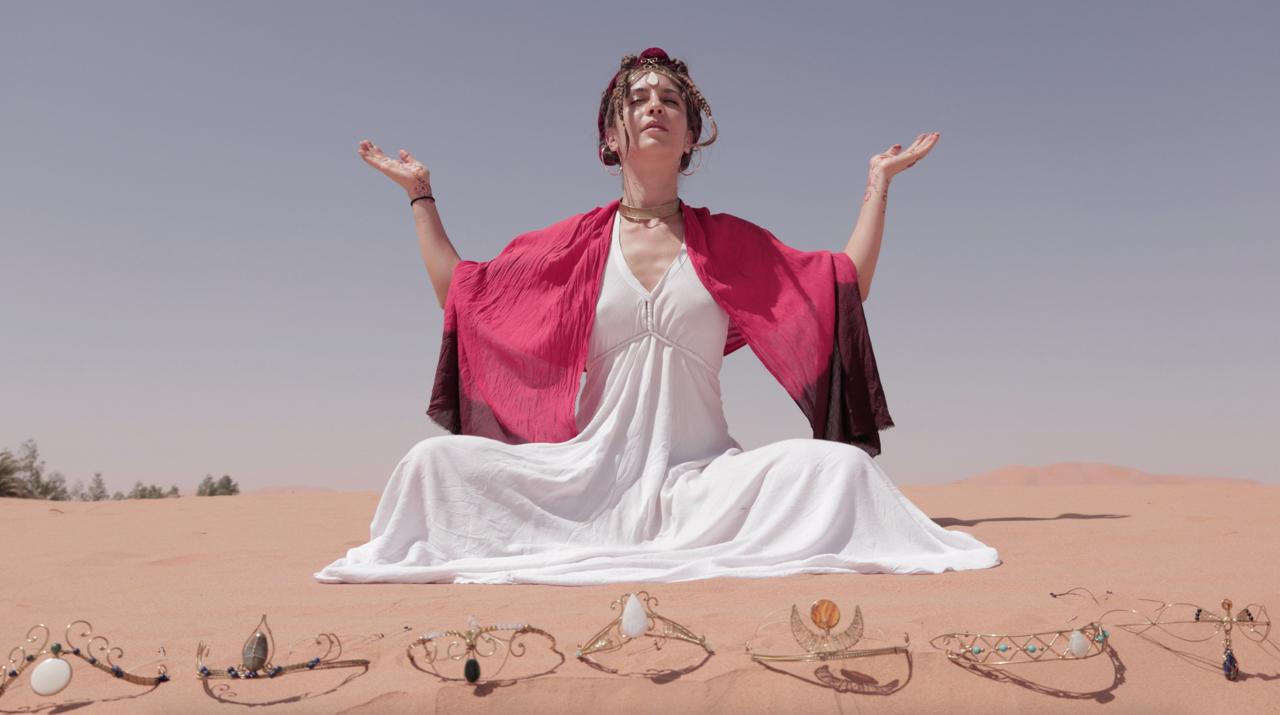
Each crown is unique. Handcrafted in Mexico. No two are alike.
Each crown is crafted with intention by an artisan lineage family in Mexico. Brass, precious stones, crystals. No two are the same. They are not made in a factory. They are made by hands that understand what they are holding.
When the crown lands on your head during the ceremony, a crystal sits directly over your third eye. This is not decoration. It is activation. Women feel it the moment it touches them.
The crown is also a working tool. Each crystal carries its own energetic frequency, amplifying confidence, courage, intuition, self-love. When you wear it with intention, it merges with your energy field and magnifies what you are calling in. This is why women report such precise manifestations after working with their crown. It is not coincidence. It is resonance.
The crown that comes home with you after The Crowning ceremony is yours to keep. Wear it when you set intentions. Place it on your altar. Let it remind you, every time it touches your head, of the vow you made to yourself. Many women say it becomes the most powerful object in their home.
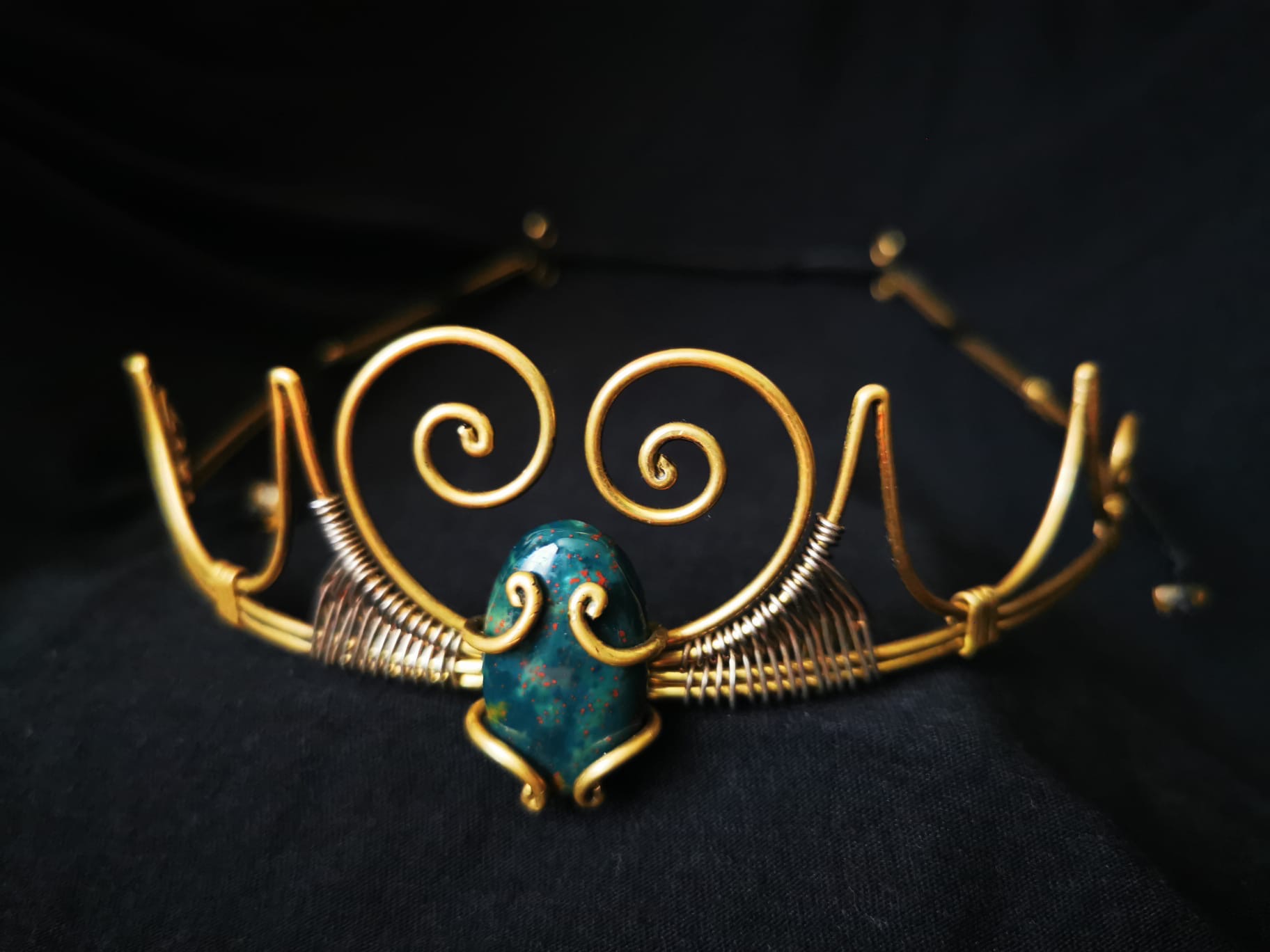
Each crown is unique. No two are alike.
"The crown is a symbol of wisdom. It is permission to be our authentic self, and an amplifier of our inner light. As we put it on, we relax a little. We feel deserving. We begin to receive more from life."
— Adina Nicola, as quoted by Secret Garden Toronto
Questions & Answers
Do I need to have a crown to book a ceremony?
For the in-person ceremonies in Ibiza, I provide the crown. It is part of the ritual. For The Mirror (online), you need your own crown. If you don't have one yet, reach out and I can guide you toward finding one that calls to you.
What is the Spiral of Love Diagnostic and how does it work?
It's a 60-minute 1:1 online session where we map where you currently are in your love evolution using The Spiral of Love™ framework. We identify which stage you're anchored in, what patterns are keeping you there, and what you need to move toward Sovereign Love. It's deeply personal, practical, and included free with every ceremony booking.
What actually happens during the ceremony?
Each ceremony is unique to the woman in front of me. It weaves together somatic bodywork, shamanic ritual, feminine embodiment practices, and conscious intention. There is no script. I follow your energy and what wants to move through you. What is consistent is the crown, the vow, and the felt sense of something shifting.
I'm not spiritual. Is this still for me?
Yes. You don't need any spiritual background or belief system. The ceremony works on a somatic level, meaning it works through your body, not your beliefs. Many women who describe themselves as "not spiritual" have some of the most profound experiences. All you need is an open mind and a willingness to feel.
Where does the ceremony take place?
The ceremony can happen in many kinds of spaces. Your home. A place in nature. A venue you already have access to or feel called toward. I come as the priestess. The space is yours to envision and hold. Some women invite me into their bedroom, their garden, or a forest they love. Others find a studio, a retreat space, or somewhere with personal meaning. If you have a vision, bring it. We will talk it through on the discovery call and find what feels most sacred for you.
Can I book if I have a partner?
Absolutely. This is one of the most beautiful reasons to receive the ceremony. The inner marriage is not about leaving love behind. It is about bringing a whole, sovereign woman into your partnership. Women in relationship often find the ceremony deepens their love precisely because they stop sacrificing themselves for it. Some couples have even chosen to receive their crowns together, as a shared symbol of honouring themselves within the relationship, not losing themselves to it.
Can I book if I don't have a partner or am going through a breakup?
This ceremony is specifically designed for that moment. The inner marriage is not about finding a partner. It is about becoming so whole within yourself that your relationship with love transforms entirely. Women going through breakups, divorces, or periods of solitude often find this the most powerful time to receive the ceremony.
Can I choose my crown?
Just as they say a crystal chooses you, I believe the same is true of crowns. The right crown will find you. Each one is unique, made for a unique soul, and there is always one that calls more than the others. Trust that feeling. For those who want something entirely personal, custom design crowns are available on pre-order. Reach out to discuss what your crown wants to be.
How do I know which ceremony is right for me?
That's exactly what the free discovery call is for. We talk, I listen, and together we feel into which threshold is calling you. There is no pressure and no wrong answer. Book the call and trust the conversation.
You simply forgot it was yours.
I am here to help you remember."
Come remember what you are.
Book Your Free Discovery Call →